
Factors for Secondhand Value When Treating Ferragamo Bags as an Investment
Buying a designer handbag has consistently lingered somewhere between indulgence and calculated planning, and in 2026 more shoppers are treating a Ferragamo bag as a line item in a individual asset collection rather than a pure luxury. Salvatore Ferragamo forged its name on masterful construction, Florentine leatherwork, and a house signature-element system that encompasses the Gancini clasp and Vara bow, both of which command recognizable equity in the resale market. That storied history counts when a bag changes hands years later, because buyers on resale platforms weigh brand story as much as physical state. Here, we examine what actually drives resale value for Ferragamo bags, which styles typically preserve their worth best, and how the brand measures against a few of its closest competitors when it comes to value decline patterns.
Once a Ferragamo bag re-enters the market, its performance is far from uniform, and understanding the variables is precisely what distinguishes a savvy buy from a unused wardrobe piece. This is despite the fact that these bags are built for a decade-plus lifespan, in contrast to disposable trend pieces, with resale platforms and secondhand marketplaces regularly pairing it alongside Gucci, Prada, and Bottega Veneta.
The Factors Behind a Ferragamo Bag’s Resale Worth
A brand name alone rarely accounts for resale value; it is a function of scarcity, physical state, and continued market pull for a specific silhouette. A restricted manufacturing batch, a unique metal accent, or an link to a catwalk appearance can drive a secondhand price surprisingly close to its original price. The caliber of the leather matters significantly as well, since Ferragamo’s calfskin and saffiano options buy online develop over time in their own manner, and calfskin in particular characteristically builds a patina that collectors either favor or reject depending on care history. Original packaging, dust bags, and authenticity cards also add measurable value, sometimes accounting for eight to twelve percent of the final resale price according to consignment sellers who follow completed sales.
First-time buyers often overlook the impact of color choice, yet it shapes resale outcomes significantly. Look at hardware condition, for instance — it’s carefully examined by buyers, since tarnished or scratched metal can knock ten to twenty percent off an asking price even if the leather remains in excellent shape. Meanwhile, neutrals like black, cognac, and cream reliably outsell seasonal or fad colors on the resale market because they resonate with a larger audience of shoppers, and a firm-shaped top-handle style in a classic shade will usually outlast in value a slouchy hobo in a striking pattern that feels outdated within a couple of seasons.
Lastly, paper-trail authentication and receipts from a sanctioned ferragamo dealer or the label’s own stores reassure shoppers that what they’re viewing is a genuine item, which reinforces a higher resale ceiling. Pieces acquired through unauthorized resellers or without documentation tend to sell for less, even when they are genuine, simply because buyers build in a discount for the uncertainty.
Ferragamo Bags That Hold Value Best
Instead of pointing to a lone hero piece, the conversation about the best Ferragamo bags or the top Ferragamo bags for resale usually settle on a handful of recognizable families. The Gancini-hardware totes and structured satchels tend to be the most requested on the secondary market because the hardware itself is an instantly identifiable brand signal, even to buyers who are not deep into fashion. In general, firmer silhouettes beat out slouchier silhouettes, because they photograph better when listed for resale and generally age more gracefully.
For newer shoppers stepping into resale, mini and top-handle formats have also gained traction, owing to a combination of greater seasonal versatility and lower entry prices, which in turn widens the buyer pool for future resale. Since niche-audience bags always face a smaller resale market than those with broad, cross-generational appeal, investment-minded shoppers tend to prioritize versatility over novelty.
These limited-run collabs and archival reissue pieces frequently beat out regular seasonal drops when resold, and it’s worth noting they can hold onto seventy percent or more of original retail price within the first two to three years. Holding value like that is rare in the broader handbag market and signals genuine collector demand rather than mere brand allegiance.
Ferragamo Bags Overview: Materials, Construction, and Why They Matter for Resale
A proper Ferragamo bags overview has to start with materials, since construction quality is the single biggest predictor of how a bag ages over five or ten years of ownership. Vegetable-tanned and chrome-tanned leathers, sourced through Italian tanneries, have historically been the house’s material of choice, and the finishing techniques used to Ferragamo leather goods help justify premium resale pricing relative to mass-market labels. Stitching density, edge painting, and lining quality are details that experienced resale buyers check before finalizing a purchase, and Ferragamo bags generally score well on all three when properly maintained.
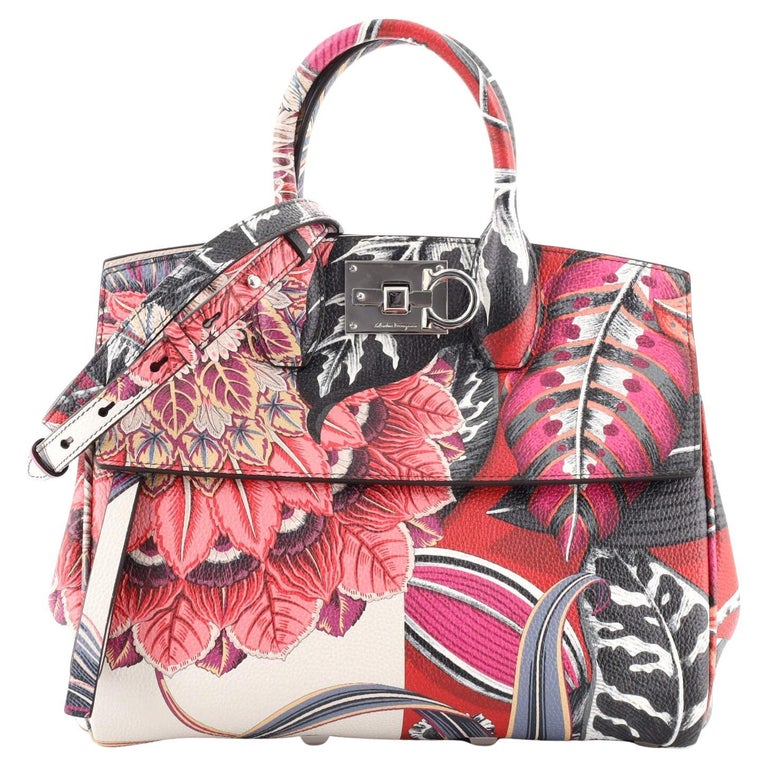
First-time sellers tend to miss another notable factor: structural integrity. A bag that has been overstuffed for years or stored without support can develop shape distortion that is hard to correct, and this alone can diminish resale value by a significant amount regardless of how clean the leather looks. Resale-market buyers are growing ever more sharp about requesting interior photos, images of base wear, and close-up shots of the hardware prior to purchase, so sellers who store their bags properly and rotate use tend to come out ahead financially at the point of resale.
Because how sought-after the brand is has made it a regular mark for counterfeiters, authenticity remains a recurring theme throughout any ferragamo bags overview. Serial numbers, stamped logos, and consistent stitching patterns are among the features that authentication services check, and bags purchased new or sourced from trusted sellers carry a distinct advantage when it comes time to resell, since buyers are willing to spend more for confidence in what they’re buying.
How Ferragamo Compares: A Quick Resale Overview
Since resale outcomes shifts notably across the luxury bag space, direct brand-to-brand comparisons are valuable for buyers deciding where to put their money. The chart that follows reflects overall resale retention patterns tracked by consignment platforms and secondhand marketplaces tracking sales through late 2025 and into 2026, centered on classic, non-limited styles kept in solid condition.
| Label | Typical Resale Retention (2-3 years’ time) | Key Factors Behind Value |
|---|---|---|
| Salvatore Ferragamo | 45% up to 60% | Italian leather craftsmanship, Gancini details, and structured forms |
| Gucci | 50% up to 65% | GG canvas, brand-name recognition, and collaboration drops |
| Prada | between 40% and 55% | Durability of Saffiano leather paired with timeless minimalist design |
| Bottega Veneta | 55% up to 70% | The Intrecciato weave, low-key branding, and a devoted fanbase |
Depending on condition, color, and whether the specific bag is a current or discontinued style, these percentages can shift, though the pattern stays reasonably steady throughout the resale market. Ferragamo occupies a solid middle position here, which reflects a brand with deep-rooted heritage appeal but slightly less aggressive resale hype than Bottega Veneta’s cult-favorite pieces. Sitting in the middle like this can in fact be an advantage for buyers, since it often means better entry prices with decently good value retention instead of the overblown price tags attached to the most hyped names.
Useful Pointers for Choosing a Ferragamo Bag While Thinking About Future Resale
Purchasers hoping to approach a Salvatore bag as a legitimate investment should first shopping through an authorized ferragamo shop or the brand’s official channels, since verified provenance steadily supports better resale outcomes. Preserving original packaging, dust bags, and receipts is not just sound practice; it is a tangible contributor to down-the-line resale price, often tacking on measurable percentage points to a final sale. Favoring neutral leather colors over seasonal prints is another safe decision that pays off years down the line, since classic tones simply have a broader buyer pool.
Consistent conditioning of the leather, attentive storage using the dust bag rather than plastic, and avoiding overstuffing all extend the longevity of a bag and protect its resale ceiling. Doing some homework helps research which ferragamo bags have historically held value well before buying, since not every style performs equally, and a little homework upfront can head off disappointment at resale time. For buyers comparing multiple options, reading up on a full ferragamo bags overview from a credible source, looking through completed listings on resale platforms, and weighing similar styles across a few brands gives a realistic picture of what to expect financially.
At the end of the day, a Ferragamo handbag purchased thoughtfully, cared for properly, and chosen with resale patterns in mind can function as both a usable luxury item and a fairly stable store of value. It may not beat every rival brand on every measure, but its blend of heritage, craftsmanship, and consistent demand makes it a defensible choice for anyone building a thoughtful handbag collection in 2026.